
The Lion King: Remember Who You Are and Return to the King
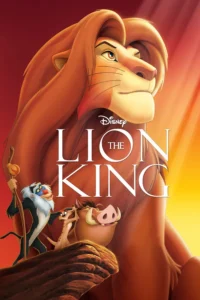
| 🎬 Title & Year | The Lion King (1994) |
| 🎥 Director | Roger Allers, Rob Minkoff |
| 👥 Starring (Voices) | Matthew Broderick, James Earl Jones, Jeremy Irons, Nathan Lane, Ernie Sabella, Moira Kelly |
| 🕒 Genre / Runtime | Animation, Adventure, Drama, Family, Musical · 88 mins |
| 🔞 MPA Rating | G |
| ✝️ Core Faith Themes | Prodigal Son & Royal Identity, Repentance (Metanoia), Return of the True King, Spiritual Discernment |
| 📖 Key Scripture | Luke 15:11–32, Romans 8:15–16, 1 Peter 2:9, Isaiah 32:1–15, Revelation 21:5 |
Table of Contents
Exploring The Lion King Christian worldview reveals profound biblical insights about identity, repentance, and the return of the true King. The fourth installment of our Disney Classic Animation series has finally arrived, and today we dive deep into this 1994 animated masterpiece to examine the spiritual truths hidden beneath the African savannah.
For me personally, the theatrical musical production left an even deeper impression than the original animated feature. I still vividly recall watching the breathtaking outdoor musical performance at Disney World in Florida during my honeymoon with my wife. With those cherished memories in mind, shall we journey together into Simba’s transformative adventure?
Released in 1994, Disney’s animated classic The Lion King remains a landmark cinematic achievement that has moved millions of hearts across the globe. Set against the vast, majestic African savannah, the iconic opening anthem, “The Circle of Life,” is widely celebrated for praising the grandeur and delicate balance of the natural world.
However, back during my university days studying film in South Korea, I heard a thought-provoking insight from my professor: the opening track “The Circle of Life” does not reflect a biblical worldview. From a Christian perspective, it is vital to critically discern the core lyrics and underlying philosophy embedded in this theme.
The premise that all living beings exist within an endless, cyclical loop originates from Eastern concepts of reincarnation (Samsara) and pantheistic naturalism—starkly contrasting the linear, historical biblical metanarrative of Creation, Fall, Redemption, and Restoration.
Yet, beneath this cyclical theme song, the central narrative arc of The Lion King carries an astonishingly rich Christian allegory: the parable of the prodigal son, the recovery of our true identity, and the triumphant return of the rightful King who restores all creation.
When speaking of the “Return of the King,” another timeless epic naturally comes to mind: The Lord of the Rings: The Return of the King, and the coronation of Aragorn. We will explore those profound theological parallels much deeper in an upcoming dedicated analysis.
The Lion King Christian Worldview: The Prodigal Prince and the Burden of Guilt
Simba’s journey mirrors the human condition following the Fall—succumbing to deception, bearing unearned condemnation, and wandering far from paradise.
Deceived by his uncle Scar—a textbook embodiment of the “father of lies” (John 8:44) who is relentlessly scheming to usurp the throne—Simba is crushed by immense guilt and shame, believing he was solely responsible for his father’s tragic death. Overwhelmed by false accusation, he abandons his heritage in the Pride Lands and flees into the barren desert.
This directly reflects the prodigal son in Luke 15, who departed from his father’s household to wander in a distant land. The enemy constantly assaults believers with condemnation: “You are a failure, and you are beyond redemption.” Believing this lie, Simba renounced his royal identity and was reduced to a destitute nomad in the wasteland.
Hakuna Matata and Comforting Helpers: Divine Grace or Spiritual Anesthesia?
Collapsing from exhaustion in the desert heat, Simba is rescued by Timon the meerkat and Pumbaa the warthog.
Their timely rescue mirrors 1 Kings 19, where the prophet Elijah collapsed under a broom tree in the wilderness, and God sent an angel to provide bread and water to sustain his physical life. Without Timon and Pumbaa, Simba’s survival would have been in grave jeopardy.
However, as discerning believers, there is another critical layer to examine. Timon and Pumbaa introduce Simba to their life motto: “Hakuna Matata” (“No worries—forget the past and just live for today”).
My university professor astutely noted this exact dynamic: philosophically, Hakuna Matata is merely a temporary anesthetic, not genuine healing. Burying one’s past wounds and divine calling simply to eat grubs and chase fleeting, day-to-day comfort is incompatible with a biblical worldview. In this state of avoidance, Simba resembles the prodigal son settling for pig food in the far country, living in spiritual denial rather than stepping into his true inheritance.
The Father’s Voice and Awakening of Identity: “Remember Who You Are”
Here unfolds the defining turning point of the film: hearing the voice of his father, Mufasa.
While the spiritual guidance of Rafiki was crucial, the true breakthrough occurred when Simba encountered the presence and voice of his father speaking from above:
“You have forgotten who you are and so have forgotten me. Look inside yourself, Simba. You are more than what you have become. You must take your place in the circle of life. Remember who you are. You are my son, and the one true king. Remember who you are.”
— Mufasa
This thunderous encounter represents the divine proclamation of the Gospel breaking through our wilderness of shame. God does not meet us with condemnation; instead, He reminds us that we are His beloved children (Romans 8:15) and a royal priesthood (1 Peter 2:9).
Biblical repentance (Metanoia) begins when we honestly confess our shortcomings before God, recognize our brokenness, and surrender our pride at His feet. Simba’s genuine restoration began not when his external environment changed, but the exact moment he remembered whose son he truly was.
Scar’s Tyranny and the Desolate Kingdom: The Reign of Deception
During Simba’s absence, the Pride Lands fell into complete ruin under the greedy, oppressive rule of Scar and the hyenas. With no rain falling and every pasture withered, the kingdom illustrates the spiritual devastation that occurs when a realm is governed by darkness, greed, and lawlessness. When the true ruler is displaced, a land cannot know true peace (Shalom).
This narrative structure is a universal archetype found across great storytelling. It closely parallels Christopher Nolan’s film Odyssey, where Odysseus remains away from his kingdom for two decades while lawless suitors exploit his home in utter disregard for justice.
The Return of the True King and Complete Restoration
Having reclaimed his identity, Simba no longer runs away. He boldly returns to the Pride Lands, unmasks the deceiver’s lies, overcomes the powers of darkness, and ascends to the summit of Pride Rock to let out a triumphant roar.
In that glorious moment, life-giving rain pours over the parched earth, transforming the barren wasteland back into a flourishing, fruitful paradise.
This climactic restoration powerfully foreshadows the Second Coming of Jesus Christ—the King of kings who will return to judge the enemy and make all things new (Revelation 21:5).
Living in Our True Calling
The Lion King presents a vital question for each of us: “Are you currently trapped in the wilderness of past guilt, numbing your soul with the spiritual anesthetic of Hakuna Matata?”
May we hear the loving voice of our Heavenly Father, remember our identity as His redeemed sons and daughters, and boldly step forward into the divine calling He has prepared for us.
“But you are a chosen race, a royal priesthood, a holy nation, a people for his own possession, that you may proclaim the excellencies of him who called you out of darkness into his marvelous light.”
What “Hakuna Matata” comfort zones in your life are currently holding you back from stepping into your God-given purpose?
Key Takeaways & Faith Insights
- Discerning the World’s Philosophy: While “The Circle of Life” celebrates nature’s beauty, believers must discern between cyclical reincarnation (Samsara) and the biblical, purposeful metanarrative of Creation, Fall, Redemption, and Restoration. (Ecclesiastes 3:11, Colossians 2:8)
- The Deception of False Guilt: Satan weaponizes our past mistakes to paralyze us in shame and isolation, but the Gospel invites the wandering prodigal to break free from condemnation and return to the Father. (John 8:44, Romans 8:1)
- Unmasking Spiritual Anesthesia (Hakuna Matata): True healing is never found in numbing avoidance, apathy, or settling for the world’s temporary comforts, but in confronting brokenness and embracing our divine calling. (Luke 15:13–17, Romans 12:2)
- Reclaiming Royal Identity in Christ: Spiritual breakthrough begins with genuine repentance (Metanoia)—not when our external circumstances change, but the moment we hear the Father’s voice and remember whose children we truly are. (Romans 8:15–16, 1 Peter 2:9)
- The Triumph of the True King: When the rightful King ascends to His throne and dispels the reign of lies, life-giving restoration and flourishing (Shalom) pour over the withered land. (Isaiah 32:1–2, Revelation 21:5)
“You have forgotten who you are and so have forgotten me. Look inside yourself, Simba. You are more than what you have become… Remember who you are. You are my son, and the one true king.”
— Mufasa
Explore More Screen Devotions:
- 🎬 Movies: Explore Other Faith-Based Film Reflections
- 🌍 Documentaries: Biblical Perspectives on Real-World Issues
Scripture taken from the Holy Bible, NEW INTERNATIONAL VERSION®, NIV® Copyright © 1973, 1978, 1984, 2011 by Biblica, Inc.® Used by permission. All rights reserved worldwide.