
Peter Pan: Leaving Neverland and Embracing Spiritual Maturity
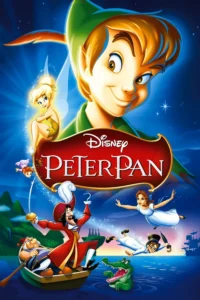
| 🎬 Title & Year | Peter Pan (1953) |
| 🎥 Director | Clyde Geronimi, Wilfred Jackson, Hamilton Luske |
| 👥 Starring (Voices) | Bobby Driscoll, Kathryn Beaumont, Hans Conried, Bill Thompson |
| 🕒 Genre / Runtime | Animation, Adventure, Family, Fantasy, Musical · 77 mins |
| 🔞 MPA Rating | G |
| ✝️ Core Faith Themes | Spiritual Maturity vs. Escapism, Mortality & Eternity, Embracing Holy Calling, True Identity |
| 📖 Key Scripture | 1 Corinthians 13:11, Ephesians 4:14–15, Hebrews 9:27, Luke 9:23, Romans 8:15–16 |
Table of Contents
When exploring a Peter Pan Christian worldview perspective on Walt Disney’s 1953 animated classic, we uncover profound truths about human brokenness, spiritual stagnation, and God-given maturity. When the film premiered in 1953, it captured the imagination of generations with a seemingly innocent, universal desire: the wish to never grow up. Soaring across London’s starlit sky toward the second star to the right, audiences were invited into a vibrant paradise where adult responsibilities vanished and eternal playtime reigned supreme.
For decades, popular culture has celebrated Peter Pan as the ultimate symbol of youthful wonder, unburdened freedom, and limitless adventure. I, too, was once one of Peter Pan’s biggest fans. Watching Peter fly over London alongside the children evoked a soaring wonder remarkably similar to riding the magic carpet in Aladdin to the tune of “A Whole New World”—a film we will certainly explore together in future discussions.
Returning to our story, beneath this whimsical animation and lighthearted music lies a profound moral tension. What happens when a temporary longing for childhood innocence transforms into a permanent refusal and evasion of responsibility? Through a Peter Pan Christian worldview lens, the film offers a compelling allegorical exploration of human brokenness, spiritual stagnation, the terror of temporal judgment, and the sacred beauty of embracing God-given maturity. Shall we receive Tinker Bell’s pixie dust together and take flight toward Neverland?
A Peter Pan Christian Worldview: The Illusion of Neverland vs. The Call to Spiritual Growth
Watching Peter Pan as a child, I viewed him simply as a kind-hearted hero who introduced children to Neverland and offered them the opportunity to live together in perpetual happiness. As I grew older and revisited the film, however, his world no longer felt purely magical. Instead, Peter appeared as someone luring others into worldly pleasures and temptations. I discovered that Peter Pan closely mirrors the mythological nymph Calypso from Homer’s epic The Odyssey.
Neverland is presented as the ultimate refuge from the demands and pressures of the real world—an enchanted island where time stands still, rules cease to exist, and children never age. Peter Pan presides over this realm as its eternal sovereign. Rejecting the responsibilities of adulthood and growth, he encourages the Lost Boys to live in perpetual, self-indulgent amusement, much like Calypso on her isolated island. In contemporary culture, Neverland represents the seductive temptation of spiritual and emotional arrested development. Today’s world constantly promotes self-centered comfort, urging individuals to evade lifelong commitments, moral accountability, and sacrificial duties in favor of fleeting personal gratification.
Scripture, however, presents a radically different vision for human life. The Bible makes clear that remaining in perpetual infancy is not a virtue to be preserved, but a tragic distortion of our divine design. The Apostle Paul writes: “When I was a child, I talked like a child, I thought like a child, I reasoned like a child. When I became a man, I put the ways of childhood behind me” (1 Corinthians 13:11). God calls believers to leave the shallow waters of spiritual immaturity and grow into the full stature of Christ (Ephesians 4:14-15).
While childlike humility and trust are essential for entering the Kingdom of God, childish self-centeredness and a stubborn refusal to grow represent a spiritual trap. Peter’s tragic shortcoming is that in his desperate pursuit of endless play, he cuts himself off from deep, enduring love, authentic relationships, and true purpose.
The Terror of Time and Impending Judgment: Captain Hook and the Tick-Tock Crocodile
Contrasting Peter’s reckless youth is Captain Hook, a bitter, aging pirate consumed by vengeance, resentment, and a paralyzing dread of the tick-tock crocodile. Having already lost a hand to the beast, Hook is haunted by the relentless ticking clock echoing from inside the creature’s belly. The crocodile serves as an undeniable memento mori—a vivid visual reminder of the relentless march of time, physical decay, and the inescapable reality of death and ultimate judgment.
In this Peter Pan Christian worldview framework, for those without faith and eternal hope, the passage of time is a terrifying adversary that steadily robs them of strength, beauty, and control. Hook’s obsession with destroying Peter stems from his deep resentment of youth and his desperate, futile struggle against human mortality.
Scripture reminds us of the brevity and fragility of life. For those without Christ, the ticking of the clock signals impending doom and judgment. For the believer, however, time is not a cruel enemy to be feared, but a precious gift from God to be redeemed: “Be very careful, then, how you live—not as unwise but as wise, making the most of every opportunity, because the days are evil” (Ephesians 5:15-16). Hook’s tragic undoing illustrates the terror of facing eternity anchored only in pride, bitterness, and temporal vanity.
False Freedom vs. Sacred Calling: Wendy’s Transformative Choice
Within this Peter Pan Christian worldview narrative, a deeply mature turning point unfolds through Wendy. True to her role as the eldest sister, she demonstrates profound maturity within Neverland. While Peter remains trapped in his stagnant fantasy, Wendy Darling undergoes a profound spiritual awakening. Initially drawn to Neverland out of fear of moving into her own room and facing the responsibilities of growing up, Wendy quickly realizes that Neverland’s freedom is an empty illusion. The Lost Boys, despite having all the freedom they could desire, are deeply fractured and spiritually starving for maternal care, bedtime stories, and authentic love.
Reflecting a biblical Peter Pan Christian worldview, Wendy steps into the role of a nurturer, pointing the Lost Boys toward the enduring warmth and truth of home. She discovers that authentic freedom is not the absence of boundaries or the evasion of duties, but the voluntary surrender of self-interest for the good of others. Galatians 5:13 proclaims: “You, my brothers and sisters, were called to be free. But do not use your freedom to indulge the flesh; rather, serve one another humbly in love.”
Wendy makes the courageous decision to leave the fleeting pleasures of Neverland behind, choosing to return to reality, embrace womanhood, and walk in the sacrificial responsibilities God prepared for her. In doing so, she leads the Lost Boys out of isolation and into a loving, restorative family.
Examining this through a Peter Pan Christian worldview perspective, don’t small groups in churches and parents at home need this exact Wendy-like posture? As a father of twin sons, rather than introducing my children to an escapist fantasy like Neverland, shouldn’t I demonstrate mature character and faith just as Wendy did? There is so much we can learn from her example.
Soaring Faith and the Holy Pilgrimage of Daily Reality
The iconic scene of Wendy, John, and Michael learning to fly requires two essential ingredients: pixie dust and “happy thoughts,” framed as faith and trust. Yet the true biblical significance of this flight lies in its ultimate destination. The journey through the skies is not meant to be an eternal escape into disconnected fantasy, but a transformative passage that leads the Darling children safely back home to their nursery, their family, and their earthly callings.
Genuine Christian faith does not call us to abandon the real world for spiritual escapism or detached mystical contemplation. Instead, biblical hope equips us with a transcendent heavenly perspective so that we might faithfully inhabit, love, and serve within our current reality. We are called to be in the world, though not of it, reflecting God’s redemptive grace within our families, workplaces, and communities.
When Mr. Darling looks out the window at the end of the film and sees the golden pirate ship silhouetted against the clouds, he experiences a moment of renewed wonder, realizing that true joy is found not in running away from fatherhood, but in cherishing the family God has entrusted to his care. Ultimately, this Peter Pan Christian worldview analysis reminds us that while the allure of an effortless Neverland will always tempt our fallen nature, true fulfillment, holy joy, and eternal reward are found only when we embrace the sacred journey of spiritual maturity in Christ.
“You, my brothers and sisters, were called to be free. But do not use your freedom to indulge the flesh; rather, serve one another humbly in love.”
Galatians 5:13
Are you a Peter Pan who invites others merely into the illusion of Neverland, or a Wendy who leads them back to the warmth and sacrificial love of family?
Key Takeaways & Faith Insights
- The Illusion of Neverland vs. Spiritual Maturity: Escaping into perpetual childhood offers temporary comfort, but God calls believers to leave spiritual stagnation behind, embrace holy responsibility, and mature into Christlikeness. (1 Corinthians 13:11, Ephesians 4:14–15)
- The Dread of Passing Time and Judgment: Captain Hook’s terror of the ticking crocodile exposes humanity’s existential dread of aging and inevitable judgment. True peace comes only when we anchor our souls in Christ’s eternal victory over death. (Hebrews 9:27, Ecclesiastes 3:1–2)
- The Courage to Embrace God’s Purpose: Wendy’s pivotal choice to leave Neverland reflects the courageous step of faith required to live in reality, bear our daily cross, and fulfill the redemptive roles God has entrusted to us in this world. (Luke 9:23, 1 Peter 2:9)
- Rooting Identity in Eternal Truth: While the world encourages endless escapism and identity confusion, Scripture anchors our true belonging and worth as redeemed children of the Father. (Romans 8:15–16, Colossians 3:1–2)
“I want to grow up.”
— Wendy Darling, Peter Pan
Explore More Screen Devotions:
- 🎬 Movies: Explore Other Faith-Based Film Reflections
- 🌍 Documentaries: Biblical Perspectives on Real-World Issues
Scripture taken from the Holy Bible, NEW INTERNATIONAL VERSION®, NIV® Copyright © 1973, 1978, 1984, 2011 by Biblica, Inc.® Used by permission. All rights reserved worldwide.