Frozen 2: Into the Unknown of Calling, Identity, and Truth
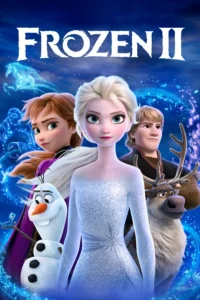
| 🎬 Title & Year | Frozen 2 (2019) |
| 🎥 Directors | Chris Buck, Jennifer Lee |
| 👥 Voice Cast | Kristen Bell, Idina Menzel, Josh Gad, Jonathan Groff, Evan Rachel Wood, Sterling K. Brown |
| 🕒 Genre / Runtime | Animation, Adventure, Family, Fantasy · 103 mins |
| 🔞 MPA Rating | PG |
| ✝️ Core Faith Themes | Wrestling with Divine Calling, Tearing Down the Dam of Hidden Sins, Identity as Children of God, Intercessory Solidarity in the Body of Christ |
| 📖 Key Scripture | Genesis 32:28, Ephesians 2:10, 1 John 1:9, 1 Thessalonians 5:11 |
Table of Contents
The time has finally come to enter the world of Frozen 2. While we shared so many profound spiritual conversations regarding the first Frozen movie, the sequel contains even deeper and more marvelous reflections for us to ponder.
In fact, when the first Frozen was released, I was serving in the South Korean military, about to be promoted to sergeant. Amazingly, however, when Frozen 2 premiered, I was studying in the United States. I happened to visit Korea briefly during that time, and I remember going to the movie theater alone, booking a late-night ticket just so I could experience this film on the big screen. Think about it for a moment. Frozen 2 is strictly categorized as a children’s animation, so who in the world would buy a ticket to watch it in the middle of the night?
Thanks to that, I felt as though I had rented out the entire massive theater just for myself. Sitting alone in an empty cinema, without having to care about anyone else’s gaze, I even sang along to the songs at the top of my lungs. It remains an unforgettable, immensely happy, and special viewing experience for me.
If the first movie focused on the restoration of the relationship between the two sisters and the “cross of substitutionary atonement,” the second movie guides us into a much deeper place—the intensified journey of looking directly into Elsa’s own “identity” and “calling.” Through Elsa’s second monumental trial, let us step together into that deep spiritual forest to see how we Christians should view and live in this world through the lens of a Christian worldview.
Resistance and Obedience to the Calling: Wrestling with the Nokk
Elsa was living a comfortable and peaceful life inside the castle of Arendelle. But from a certain point on, a mysterious voice—one that only she could hear—begins calling her out into the unknown. Obeying that calling, Elsa had to cross a violent, dark sea to find the truth, and there she engages in a fierce, life-threatening wrestling match with the “Nokk,” a water spirit in the shape of a massive horse.
This life-or-death struggle within the raging waters symbolizes the deep spiritual training and internal wrestling we Christians experience before fully embracing the mission (calling) God has given us. It perfectly mirrors the image of Jacob in Genesis 32:28 of the Old Testament, who wrestled with an angel all night at the ford of the Jabbok River, shattering his own limits.
At first, the wild, wave-like horse furiously attacked Elsa as if to swallow her whole. But when Elsa overcame her fear, grabbed the reins, and proved her resolve, the Nokk instead became her most reliable helper and steed, guiding her all the way to her destination, Ahtohallan. The calling and hardships God gives us may initially terrify us like crashing waves, but when we wrestle with those hardships in faith and resolve to obey, they become powerful instruments of grace leading us to the place of our mission.
The Grandfather’s Hidden Sins: The ‘Dam’ of False Peace
One of the most significant cultural backgrounds the director heavily focused on in this sequel is the story of the “Northuldra,” an indigenous tribe living in harmony with nature. This narrative, motivated by real-life indigenous cultures in Northern Europe, harbors an agonizing truth of the past. Elsa’s grandfather, the former king of Arendelle, built a massive “dam” for the indigenous people, promising them peace. In reality, however, it was a gift of deception and lies designed to destroy the providence of nature, weaken the tribe’s power, and subjugate them.
From a Christian perspective, this concealed past represents the “hidden sins” that we as individuals and societies desperately want to ignore. The beautiful, prosperous kingdom of Arendelle is revealed to have been built upon a false foundation (the dam) of deceiving others and suppressing nature. The true peace God desires does not come from sweeping past sins under the rug. Only thorough repentance (1 John 1:9) can sever false idols and bring about genuine spiritual restoration.
The Sanctuary of Truth ‘Ahtohallan’: True Identity Realized in the Creator
After countless trials, Elsa finally reaches the depths of Ahtohallan, the frozen river that holds all truth. There, she realizes that the owner of the voice she had been desperately searching for was none other than “herself.” The moment the masterpiece song “Show Yourself” echoes through the cavern, transforming her frozen fears into a dazzling liberation, marks the ultimate climax of the film.
We, too, live our lives constantly asking questions: “Who am I? Why do I exist on this earth?” The world tries to define our identity by our occupations, bank account balances, or physical appearances. However, when we stand before the spiritual Ahtohallan (Jesus Christ, who is the Truth), we finally discover our real identity. It is the unshakable identity that “we are the beloved children of God,” created with divine purpose as declared in Ephesians 2:10. Only when we fully realize that we are God’s children can we clearly see why God sent us to this earth and what specific mission each of us is called to fulfill.
The Perfect Contrast of Two Worlds: The False Idol (The Dam) vs. The Calling of Truth (Ahtohallan)
At this point, we need to clearly contrast the two massive spiritual symbols the film presents: the “dam” built by the grandfather and “Ahtohallan,” the river Elsa reaches.
The grandfather’s dam seemed like a gift for peace on the outside, but in reality, it was a “false idol” and a worldly method established to control neighbors and maintain power. On the other hand, the journey to Ahtohallan looked rough and terrifying, but at its end, “all truth and true identity” were breathing alive. The world constantly tempts us to settle down comfortably inside the false dam, but God wants us to boldly destroy that dam of hidden sins and step forward courageously to Ahtohallan, where the truth resides. The clash and choice between these two worlds is indeed the most powerful spiritual question Frozen 2 throws at us.
Individual Callings and Solidarity: Building the Kingdom of God Together
The ending of this animation leaves a remarkably profound lingering resonance. While the first movie concluded with the sisters staying together in the castle of Arendelle, the ending of the second movie sees Elsa choosing to remain in the forest (Ahtohallan) to care for the truth and the spirits, while Anna stays in her place as the new Queen of Arendelle. They may be physically separated, but they continue to exchange letters through Gale, the wind spirit, maintaining their unchanging love and steadfast solidarity for each other.
This conclusion beautifully reflects the ideal image of our Christian families and “church communities” today. We all have different stations in life and different domains of calling. Being in different physical places and having different roles does not mean we are disconnected. We are deeply connected spiritually through the wind of the Holy Spirit.
Within our families and among our church members, we must do our utmost in the places we are called to protect, while simultaneously encouraging one another as 1 Thessalonians 5:11 exhorts and taking up the role of intercessory prayer. Only when we become steadfast intercessors who fill in each other’s empty spaces can we truly be built up as a holy community expanding the Kingdom of God together.
Comparative Analysis: The Grandfather’s Dam vs. The River Ahtohallan
| Analytical Category | The Grandfather’s Dam (Ways of the World) | The River Ahtohallan (God’s Truth & Calling) |
|---|---|---|
| Foundation | Deception, control, and a false sense of peace | Facing the truth and an unshakable identity (Eph 2:10) |
| Method | Suppressing nature and deceiving neighbors | Embracing the mission despite the fear of the unknown (Gen 32:28) |
| Consequence | A curse falls, locking the forest in an impenetrable mist | The curse is lifted, restoring true Shalom (1 John 1:9) |
| Spiritual Meaning | Unrepented hidden sins and worldly idols | Finding our true self as beloved “Children of God” |
Key Takeaways & Faith Insights
- Wrestling at the Jabbok River for the Mission: Like Elsa wrestling the fierce water spirit Nokk, when we confront divine trials and callings with faith rather than avoiding them, they become instruments of grace guiding us to our true destiny. (Genesis 32:28)
- Discovery of True Identity: We realize our authentic identity as children of God and discover our specific life purpose only when standing before our Creator—the ultimate Sanctuary of Truth (Ahtohallan)—rather than conforming to deceptive worldly metrics. (Ephesians 2:10)
- The Courage to Tear Down the False Dam: False peace built upon deceit brings spiritual mist and curses. True restoration begins when we boldly repent and destroy the hidden sins and self-preserving idols in our lives. (1 John 1:9)
- Holy Solidarity Across Unique Callings: Elsa in the forest and Anna in the palace demonstrate that different callings do not mean division. The church community thrives when we pray for and uphold one another in intercessory solidarity. (1 Thessalonians 5:11)
“When one can see no future, all one can do is the next right thing.”
Anna
Explore More Screen Devotions:
- 🎬 Movies: Explore Other Faith-Based Film Reflections
- 🌍 Documentaries: Biblical Perspectives on Real-World Issues
Scripture taken from the Holy Bible, NEW INTERNATIONAL VERSION®, NIV® Copyright © 1973, 1978, 1984, 2011 by Biblica, Inc.® Used by permission. All rights reserved worldwide.