
Seaspiracy: Greed, Creation Care, and Biblical Stewardship
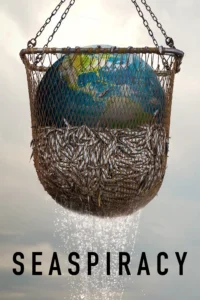
| 🎬 Title & Year | Seaspiracy (2021) |
| 🎥 Director | Ali Tabrizi |
| 👥 Starring | Ali Tabrizi, Sylvia Earle, Paul Watson, George Monbiot |
| 🕒 Genre / Runtime | Documentary, Investigative · 89 mins |
| 🔞 MPA Rating | TV-14 |
| ✝️ Core Faith Themes | Biblical Stewardship, Human Greed & Brokenness, Creation Care, Humility |
| 📖 Key Scripture | Psalm 24:1–2, Genesis 1:28 |
Table of Contents
In this Seaspiracy Christian review, I want to reflect on the documentary film we watched and discussed extensively during my master’s program. Today, I approach this documentary not as an activist, but through the lens of a biblical worldview.
Before diving in, let me be clear: my goal is not to sensationalize or manipulate anyone’s emotions. As many of you know, the primary thesis of Seaspiracy is to expose the hidden realities of marine destruction and call for an urgent reduction in commercial fishing and human consumption. However, I am not here to demand that you stop eating fish or join radical maritime protest movements. Scripture openly tells us that God gave creation for our sustenance, and arguing over diet is not my intention.
Instead, the core question we must confront through Seaspiracy is far deeper: How does unchecked human greed devastate God’s creation, and where do we stand in that brokenness?
Now, let’s explore this together.
The Hidden Reality of Unchecked Greed
Seaspiracy reveals shocking realities: bottom trawling that obliterates ocean floors, ghost gear left behind, indiscriminate bycatch, and forced labor on the high seas. To be completely honest, I love sushi. Concluding that a Christian must never eat sushi again misses the spiritual heart of the matter.
What struck me most while watching this film was simply how bottomless human greed truly is. It forced me to look inward: What kind of “bottom trawling nets” or “ghost gear” have I dragged through my own relationships, inadvertently hurting my family and friends?
When we look beyond the fishing boats, we realize we stand on the exact same border of self-centered ambition. Even at this very moment, our world is fractured by relentless wars, natural disasters, famine, and extreme poverty. Where does all of this brokenness originate? The root answer is simple: human greed. When selfishness replaces reverence, widespread destruction inevitably follows.
The Limits of Human Assurances and Eco-Labels
One of the most striking moments in Seaspiracy involves the “Dolphin Safe” certification issued by the International Marine Mammal Project under the Earth Island Institute. Regardless of institutional intentions, it is deeply heartbreaking to see how easily money and human desire can compromise integrity. Rather than truly restoring ecosystems, commercialized labels often function as modern indulgences—comforting consumer guilt while turning a profit.
Before God, none of us can claim self-righteousness; we are all broken sinners. Rather than soothing our consciences with superficial morality or neat labels, mature Christians are called to stand honestly before the groaning of creation.
Taking this one step further, isn’t this how we often treat God? We show Him our self-made “safe life” labels, yet the moment we turn around, we slide back into compromise and self-indulgence—forgetting that God sees through every disguise. This exposes our fragile human nature: chasing transient comfort while drifting away from His presence.
Faithful Stewards, Not Ruthless Conquerors
The ultimate conclusion is acknowledging our brokenness and shifting from ruthless exploiters to faithful caretakers.
In Genesis 1, God commanded humanity to exercise dominion over the earth. Scriptural dominion was never a license for reckless exploitation; it is a sacred calling to care for and preserve His handiwork in accordance with His character. When we live with this awareness, we recognize our humility before the Creator. We begin making daily, conscious decisions marked by gratitude, self-restraint, and respect for the natural world.
God has provided for our needs, but His provision is never an excuse to ravage His world through unbridled greed. We must remember that every creature and every ocean was spoken into existence by God—and He declared them all “very good.”
“The earth is the Lord’s, and everything in it, the world, and all who live in it; for he founded it on the seas and established it on the waters.”
Key Takeaways & Faith Insights
- The Root of Brokenness: The destruction of creation exposes the boundless nature of human greed, challenging us to examine our own self-centered ambitions before God.
- Beyond Superficial Assurances: Commercial labels cannot heal broken systems or soothe our spiritual guilt; mature faith calls for honest repentance rather than comfortable compromises.
- Faithful Stewards Over Exploitation: Biblical dominion is a sacred responsibility to care for God’s handiwork with gratitude and self-restraint, honoring the Creator to whom all the earth belongs. (Psalm 24:1–2)
“If we want to address the environmental crisis, we have to look at the root cause, which is ultimately our relationship with the natural world.” — Seaspiracy
Explore More Screen Devotions:
- 🎬 Movies: Explore Other Faith-Based Film Reflections
- 🎨 Animation: Spiritual Insights in Animated Films
Scripture taken from the Holy Bible, NEW INTERNATIONAL VERSION®, NIV® Copyright © 1973, 1978, 1984, 2011 by Biblica, Inc.® Used by permission. All rights reserved worldwide.